77 Lafayette Ave, White Plains, NY 10603
Avaliable 24/7 Call:
(800) 663-6036Our team of Roofing, Siding, Skylight, Chimney, Gutter, and Painting experts at the American Star Contractor Corp love all of our communities throughout Long Island, NY. Maybe it’s the fact that we live here, and we work here. Or that we have years of experience helping Long Islander’s homes look “just a little bit nicer” because of our work?
Maybe it’s because we take pride in the fact that we are consistently rated as one of the Best construction companies in all of New York? We honestly take pride in all of our work, and we love what we do. We hope to help you with any work on your property soon. We’re confident you’ll love what we do!
We are just a call away! The professionals at the American Star Contracting Corp will make sure that your queries are dealt with on a priority basis. A team of our professionals will visit your location in Eastchester NY, Westchester NY, West Harrison NY, and Mamaroneck NY. Experience efficient and durable services with the American Star Contracting Corp.
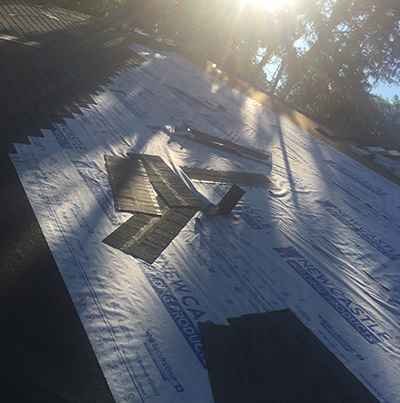
Finding a great roofing company can be a frustrating task. Your home deserves the attention and care of experts who will treat your home like it’s their own. We know there are countless other roofing companies here in New York.
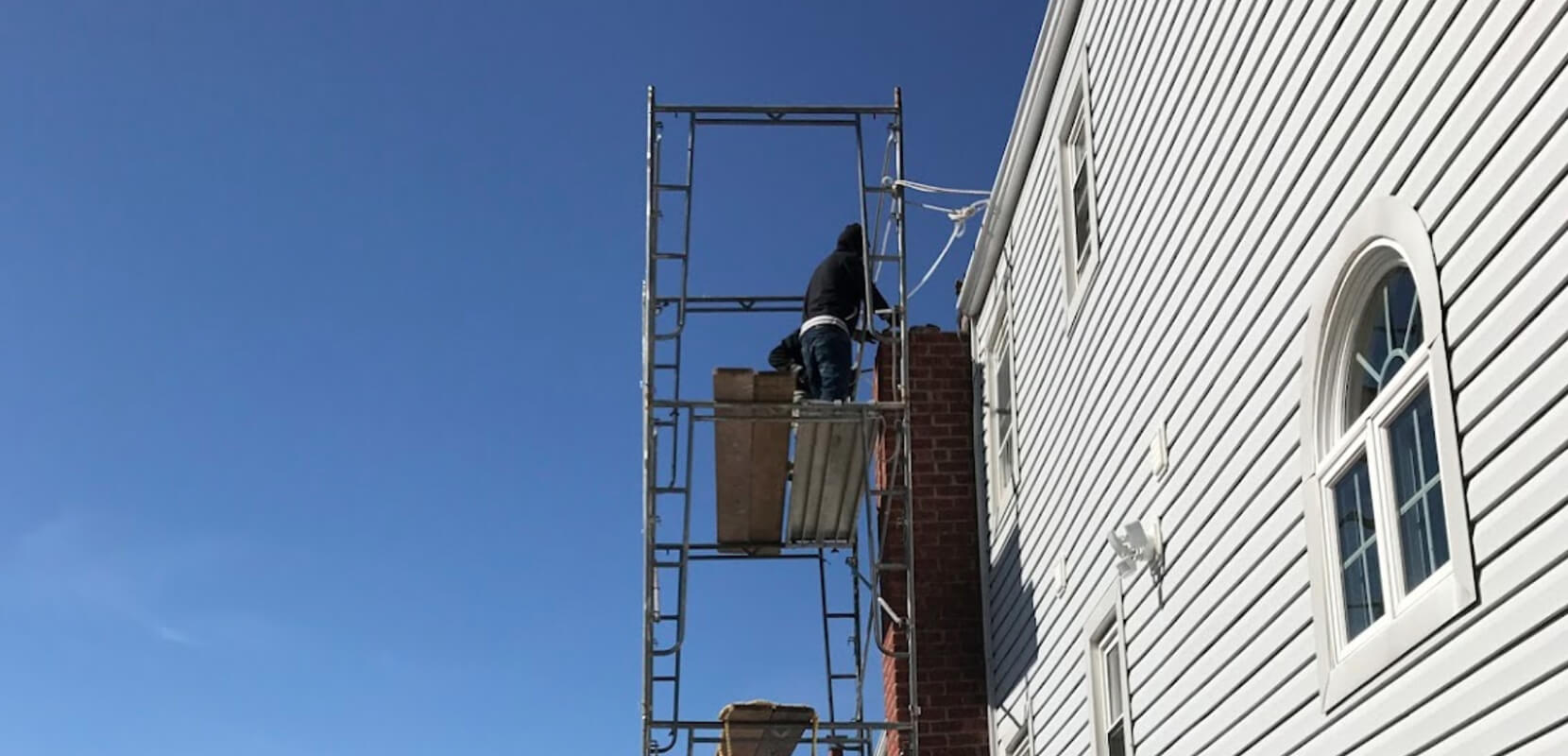
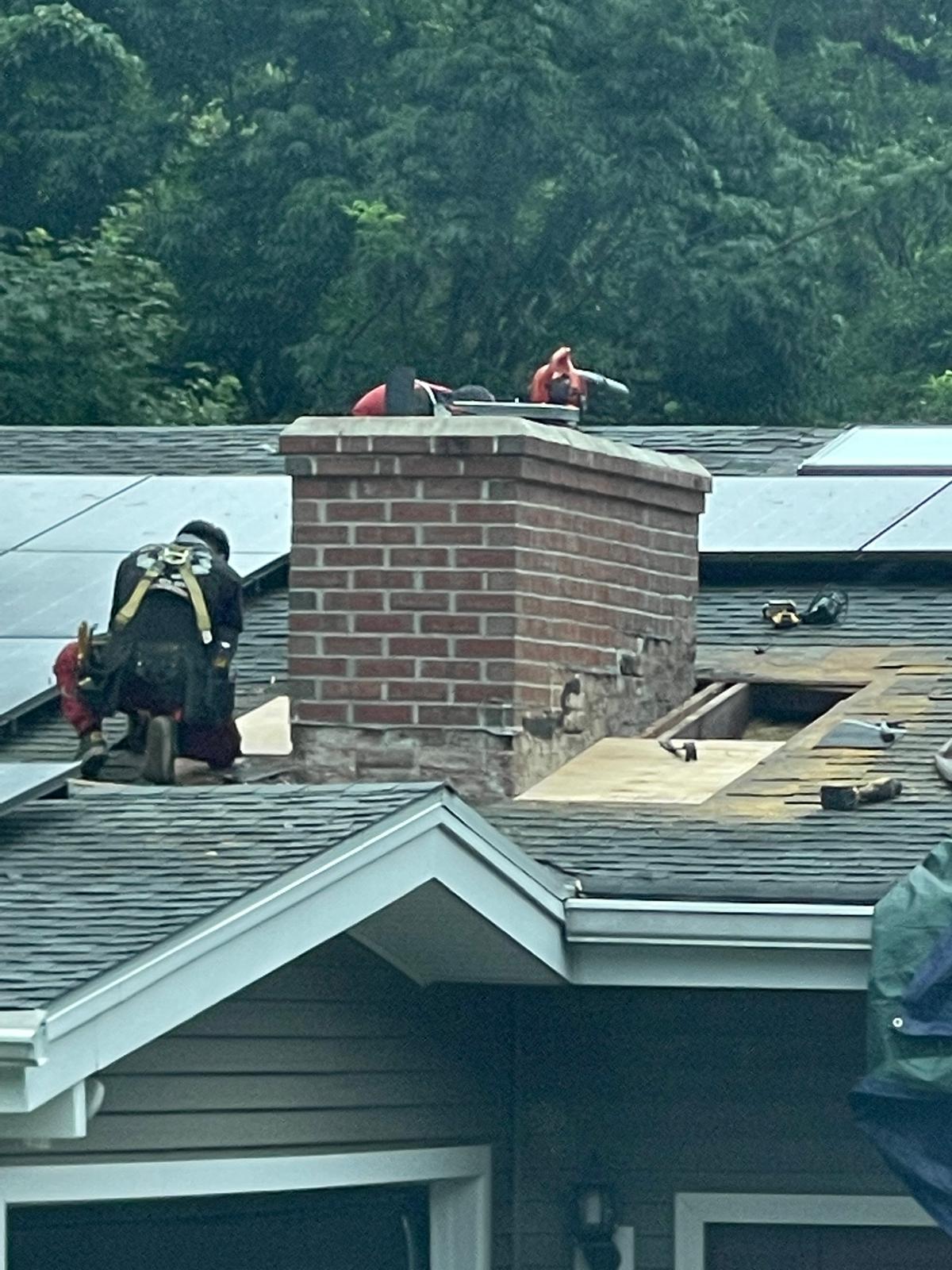
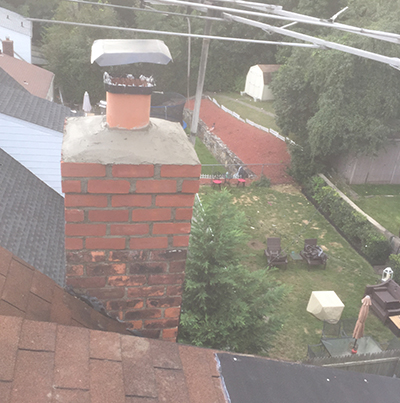
Isn’t it a frustrating and complicated task to look for a contracting company for chimney repair services? Of course! You have built your home with the utmost care and attention to detail, thus it requires comprehensive care.
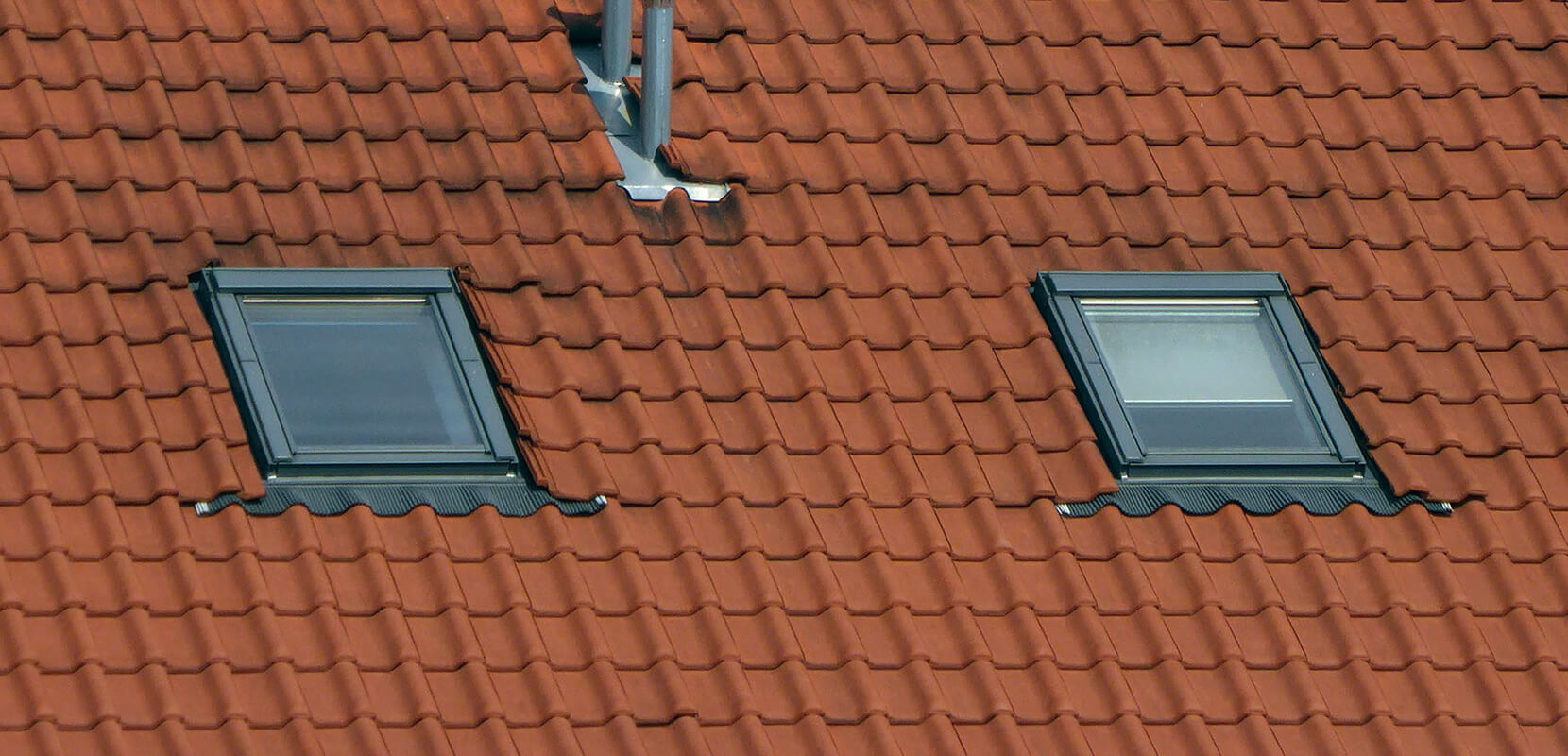
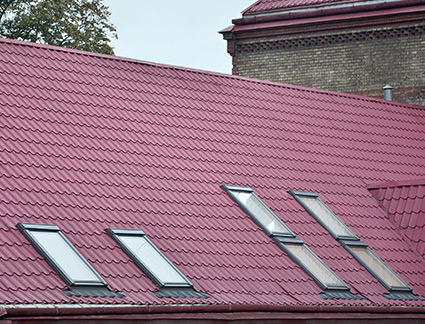
Are you looking for skylight repair services in New York and surrounding areas? Get in touch with the expert professionals at the American Star Contracting Corp. Adding skylights to your home is a great way of uplifting the aesthetic value and adding a soothing vibe to it.
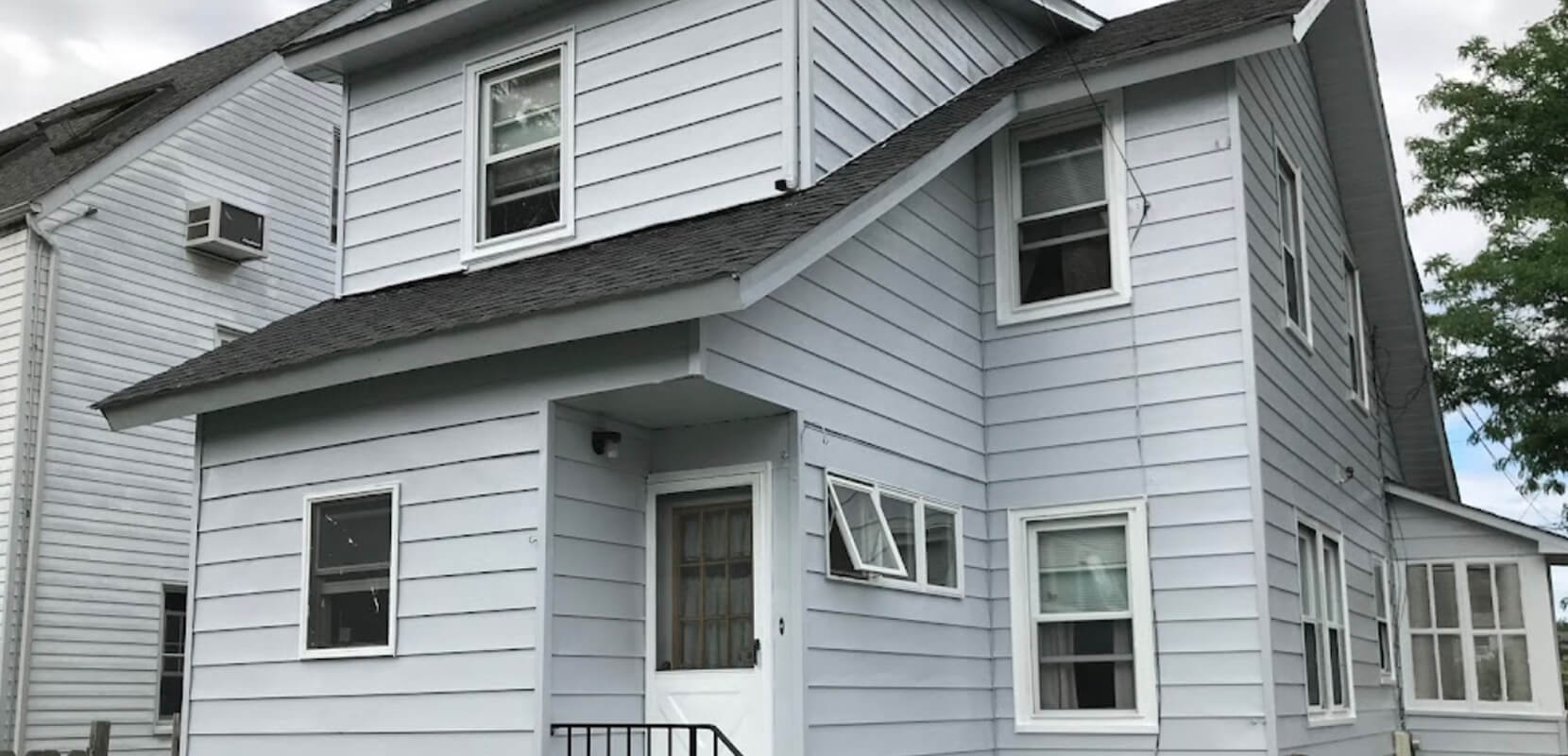
The siding serves an important purpose in every home. It helps in protecting and insulating your home from the harsh weather conditions. Apart from this, siding also keeps your walls dirt, insects, and moisture-free.
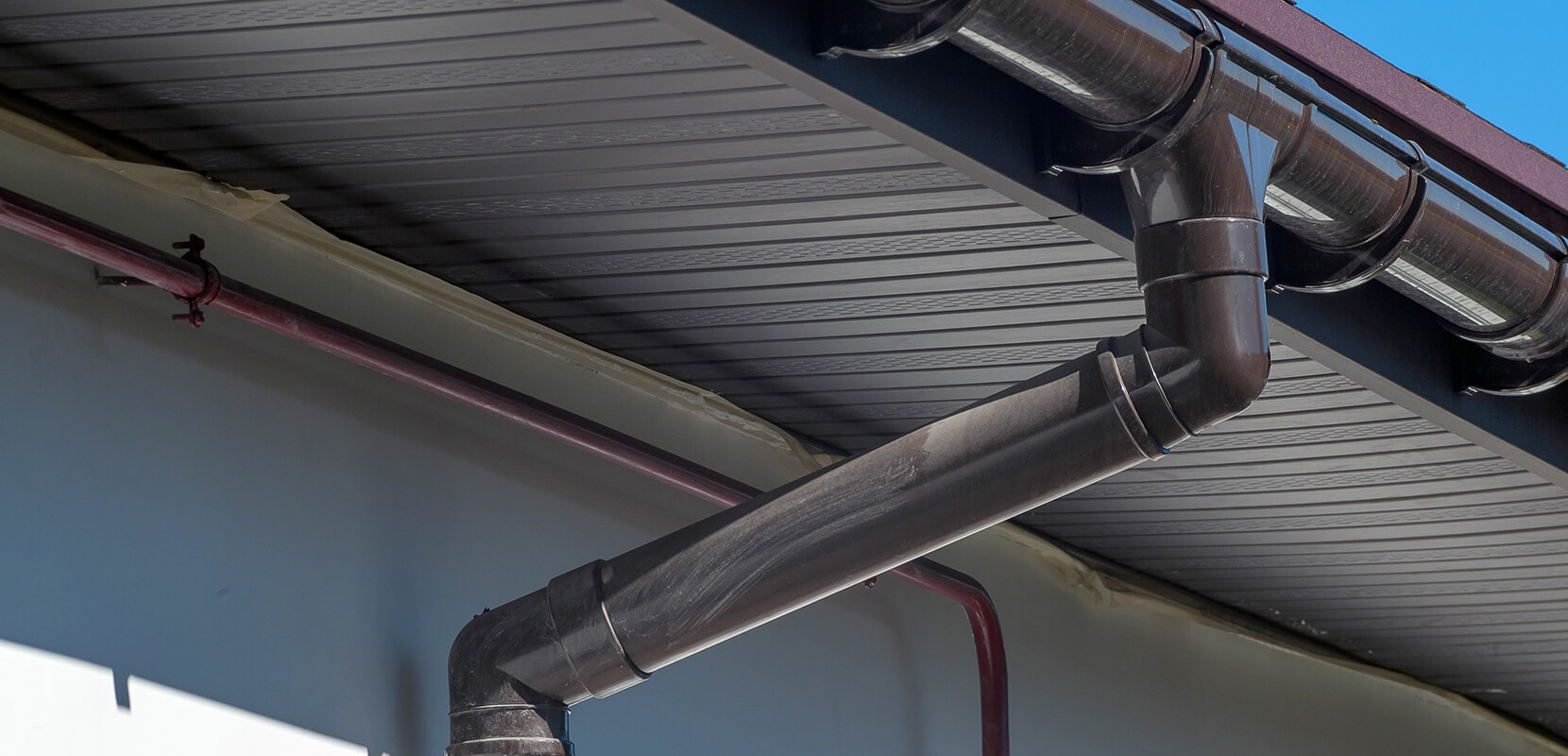
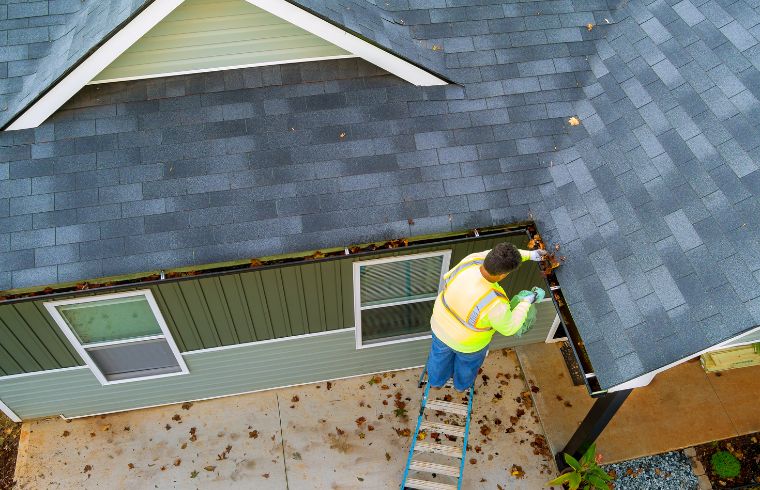
Rains usually leave homeowners with damaged gutters due to twigs, leaves, and other sediments that come with rain. Although you can get it cleaned on your own, it is advisable to leave the gutter cleaning and repairs to the professionals.
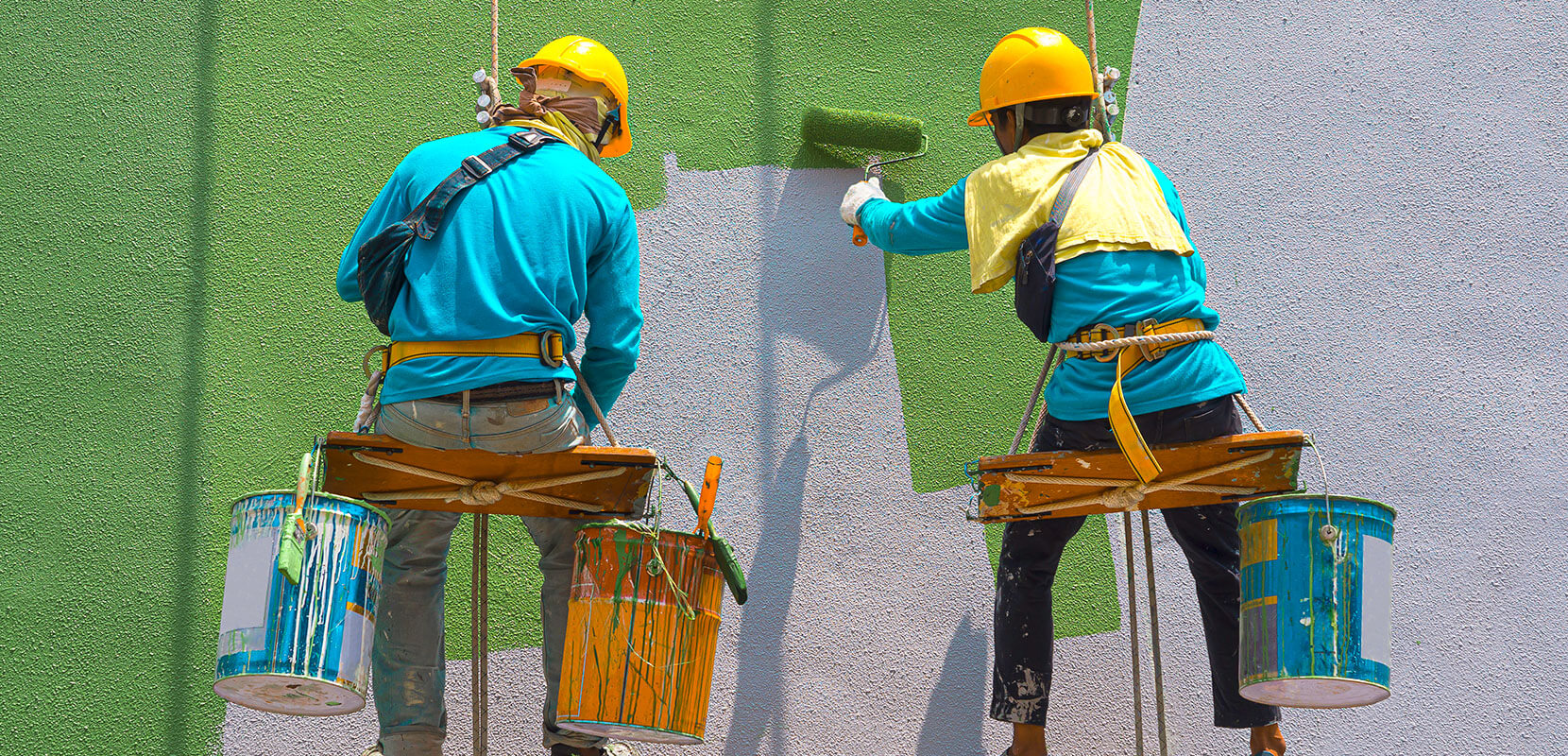
Home is where the heart is. It is a place where you feel most comfortable and is a proud investment. And we all want to make the best impression with a well-designed and maintained home.
Highly Experienced
Guarantee your satisfaction
Free estimates
Your roofing specialist
Thinking about adding a skylight to your New York home? You’re not alone. Skylights are a popular choice for homeowners seeking natural light. But how much does skylight installation cost in New York? Prices can vary widely. Factors like location, skylight type, and installation complexity all play a role. In NYC, costs range from $900 to $2,500. Statewide, you might pay between $800 and $2,400. Understanding these costs can help you budget effectively. This guide will explore skylight pricing in detail. Discover what affects costs and how to save money. Average Skylight Installation Cost in New York (NYC & Statewide) Skylight installation costs in New York vary by location. In bustling NYC, expect to pay more due to higher labor rates. Typically, installation costs range from $900 to $2,500. Across the state, prices are slightly lower. Statewide, you can expect costs between $800 and $2,400. Local labor rates and material prices influence these costs greatly. Several factors determine the exact price. These include the type of skylight and whether structural modifications are necessary. Additionally, urban areas tend to have higher costs due to demand and building complexities. Consulting with multiple contractors can help you find a competitive price. Here’s a quick overview of average installation costs: NYC: $900 to $2,500 Statewide: $800 to $2,400 Skylight Types and Their Impact on Cost Different skylight types affect the overall installation cost. The choice depends on your home’s needs and budget. Fixed skylights tend to be more affordable. Vented models, offering ventilation, can be pricier due to added mechanisms. Tubular skylights, also known as solar tubes, offer a cost-effective alternative. They require less invasive installation than traditional skylights. Each type has unique benefits and pricing. Selecting the right one involves considering both function and cost. These distinctions are essential for making an informed decision. Knowing the features of each can help optimize natural light while staying within budget. Here’s a quick list of the skylight types: Fixed Skylights Vented Skylights Tubular & Solar Tube Skylights Let’s delve deeper into each skylight type to understand their specific costs and advantages. Fixed Skylights Fixed skylights offer a simple way to add light. They are sealed and do not open. Cost is generally lower with these. Prices often range between $150 and $1,500, based on size and materials. They provide natural light without ventilation. This simplicity makes them less costly to install and maintain. Vented Skylights Vented skylights bring in light and fresh air. They can be operated manually or with motorized options. These skylights cost more due to the added mechanics. Typically, they range from $300 to $2,500. The extra cost brings benefits, including improved air circulation and comfort. They’re ideal for bathrooms and kitchens. Tubular & Solar Tube Skylights Tubular skylights, or solar tubes, are innovative and efficient. They channel light through a highly reflective tube. Their installation is less invasive. Prices typically range from $500 to $1,200. These skylights offer unique advantages. They fit into small spaces and are energy-efficient. Benefits of tubular skylights include: Minimal disruption during installation Lower cost compared to traditional skylights Energy-efficient lighting solution Selecting the right type of skylight is crucial for balancing cost and functionality. Consider each option carefully before deciding. Key Factors Affecting Skylight Installation Price Several factors influence the cost of skylight installation. Understanding these can help manage your budget effectively. Roof type and accessibility are major considerations. Complex roof structures might increase labor costs. The size and shape of the skylight will affect material and installation prices. Larger skylights generally cost more. Glazing choices and energy efficiency options also play a role. They impact the upfront cost and long-term savings. Additional features like remote controls or rain sensors add to the expense. Consider what extras are essential for your needs. Here’s a list of key factors to consider: Roof Type and Accessibility Size and Shape of Skylight Glazing and Energy Efficiency Additional Features and Add-ons Evaluating these elements helps ensure a successful, cost-effective skylight project. Roof Type and Accessibility Roof composition and access are critical in skylight pricing. Roofs made of asphalt or wood shingles may be simpler and cheaper to work with. Steep or high roofs increase labor costs. More time and specialized equipment are needed for these installations. Limited access might require additional scaffolding or lifts. Each of these factors can drive up the total price. Size and Shape of Skylight The larger the skylight, the higher the cost. Bigger units require more materials and may demand additional structural support. Custom shapes can also increase expenses. Circular or triangular designs might need custom fabrication. Standard rectangular skylights are usually the most economical. Choosing wisely can help control costs. Glazing and Energy Efficiency Options Choosing the right glazing influences both cost and performance. Options like tempered or laminated glass affect the price. Energy-efficient skylights may have higher upfront costs. They help save money on energy bills over time. Consider these glazing options for energy efficiency: Tempered Glass Laminated Glass Energy-efficient Coatings Investing in the right glazing can boost energy savings and increase home comfort. Additional Features and Add-ons Adding features can enhance functionality but may raise costs. Automated shades or remote-controlled venting are popular options. These additional features may affect the installation price: Rain Sensors Remote Controls Automated Shades Consider what extras align with your lifestyle needs. Balancing features and budget is key. Labor Costs and Installation Complexity in New York Labor costs in New York are among the highest in the nation. This significantly affects skylight installation prices. Urban areas, like NYC, often have higher labor rates. This is due to the increased cost of living and demand for skilled workers. Installation complexity also plays a crucial role. Difficult roof access or unconventional layouts can increase labor time and costs. Contractors might also charge more for rushed jobs or those requiring specialized equipment. It’s important to plan and schedule installations carefully. Here are some elements that impact labor costs: Location within New York Roof Complexity Job Scheduling and Timeline Understanding
Read More
Is your gutter leaking at the seam? Don’t let water damage ruin your home! Follow this step-by-step guide to effectively fix gutter leaks and protect your property. Understanding Gutter Seams and Their Importance Gutter systems are an essential part of any home’s infrastructure, responsible for directing rainwater away from the house to prevent water damage. Seams are the points where two sections of the gutter meet, and they are particularly critical because they are more prone to leaks. These seams are usually joined together using sealants or fasteners, which can deteriorate over time, leading to leaks. Understanding the importance of gutter seams is the first step toward ensuring your gutter system functions efficiently. When functioning properly, gutters protect your home’s foundation, walls, and roof from water damage. Seam leaks, however, can undermine this protective function, causing water to spill over or seep into the fascia boards and potentially leading to more severe issues like mold growth, wood rot, and structural damage. Therefore, maintaining the integrity of gutter seams is crucial for the overall health of your home. Gutter seams are often overlooked during routine maintenance since they are not always easily visible. Homeowners tend to focus on clearing debris from inside the gutter, but neglecting the seams can lead to significant problems over time. By paying attention to the condition of your gutter seams, you can prevent minor issues from escalating into major repairs. Common Causes of Gutter Leaks at the Seam There are several common causes of gutter leaks at the seam, and understanding these can help you prevent future leaks. One of the most prevalent causes is the natural wear and tear that occurs over time. Sealants used to join gutter sections can degrade due to exposure to harsh weather conditions, including UV rays, rain, snow, and temperature fluctuations. As the sealant deteriorates, it loses its ability to keep the seams watertight, resulting in leaks. Another common cause of gutter seam leaks is improper installation. If the seams were not correctly aligned or if the sealant was not adequately applied during installation, the likelihood of leaks increases. Additionally, the quality of materials used in the gutter system plays a significant role. Low-quality sealants and fasteners are more prone to failure, leading to leaks at the seams. Debris accumulation in the gutters can also contribute to seam leaks. When gutters become clogged with leaves, twigs, and other debris, water can back up and pool around the seams. This constant exposure to standing water can accelerate the deterioration of the sealant, resulting in leaks. Regular cleaning and maintenance of the gutter system can help prevent debris buildup and reduce the risk of leaks at the seams. Tools and Materials Needed for the Repair Before you start repairing a leaking gutter seam, it’s essential to gather all the necessary tools and materials. Having everything on hand will make the repair process more efficient and ensure you can complete the task without interruptions. Here’s a list of the essential items you’ll need: Ladder: A sturdy, extendable ladder is crucial for reaching your gutters safely. Ensure the ladder is stable and positioned on a flat surface. Safety Gear: Gloves, safety goggles, and a dust mask will protect you from debris and harmful substances. Cleaning Tools: A gutter scoop or small shovel, a stiff brush, and a bucket will help you remove debris from the gutters. Sealant: High-quality gutter sealant or caulk specifically designed for outdoor use will be needed to seal the seams. Caulking Gun: A caulking gun is necessary for applying the sealant evenly along the seams. Wire Brush: A wire brush will help you clean the seams thoroughly before applying the sealant. Rags and Towels: These will be useful for wiping away dirt and moisture from the seams. Gutter Clips or Brackets: If the seam is damaged beyond sealing, you may need additional clips or brackets to reinforce the gutter sections. Having these tools and materials ready will ensure you’re well-prepared to tackle the repair and restore your gutter system’s functionality. Safety Precautions Before Starting the Repair Safety should be your top priority when working on gutter repairs. Climbing ladders and handling tools at heights can be hazardous, so taking the necessary precautions is essential to prevent accidents and injuries. Here are some critical safety tips to keep in mind before starting your gutter repair project: First, always inspect your ladder before use. Ensure it is in good condition, with no broken or missing rungs. Position the ladder on a flat, stable surface and maintain a safe angle to prevent it from tipping over. It’s also advisable to have a helper hold the ladder steady while you work, especially if you’re working at significant heights. Wear appropriate safety gear, including gloves, safety goggles, and a dust mask. Gloves will protect your hands from sharp edges and debris, while safety goggles will shield your eyes from dust and particles. A dust mask is essential if you’re dealing with mold or other harmful substances that may be present in the gutters. Finally, avoid working on gutters in adverse weather conditions. Rain, wind, and icy surfaces can make the task more dangerous. Choose a clear, dry day for your repair work to ensure optimal safety and effectiveness. By following these safety precautions, you can minimize the risk of accidents and complete your gutter repair project with confidence. Step-by-Step Guide to Fixing a Gutter Leak at the Seam Now that you understand the importance of gutter seams, the common causes of leaks, and the necessary tools and safety precautions, it’s time to dive into the step-by-step guide for fixing a gutter leak at the seam. Step 1: Identify the Source of the Leak Start by inspecting the gutter system to locate the exact source of the leak. This may require you to climb the ladder and carefully examine the seams. Look for visible signs of damage, such as cracks, gaps, or deteriorated sealant. You can also run water through the gutter using a garden
Read More
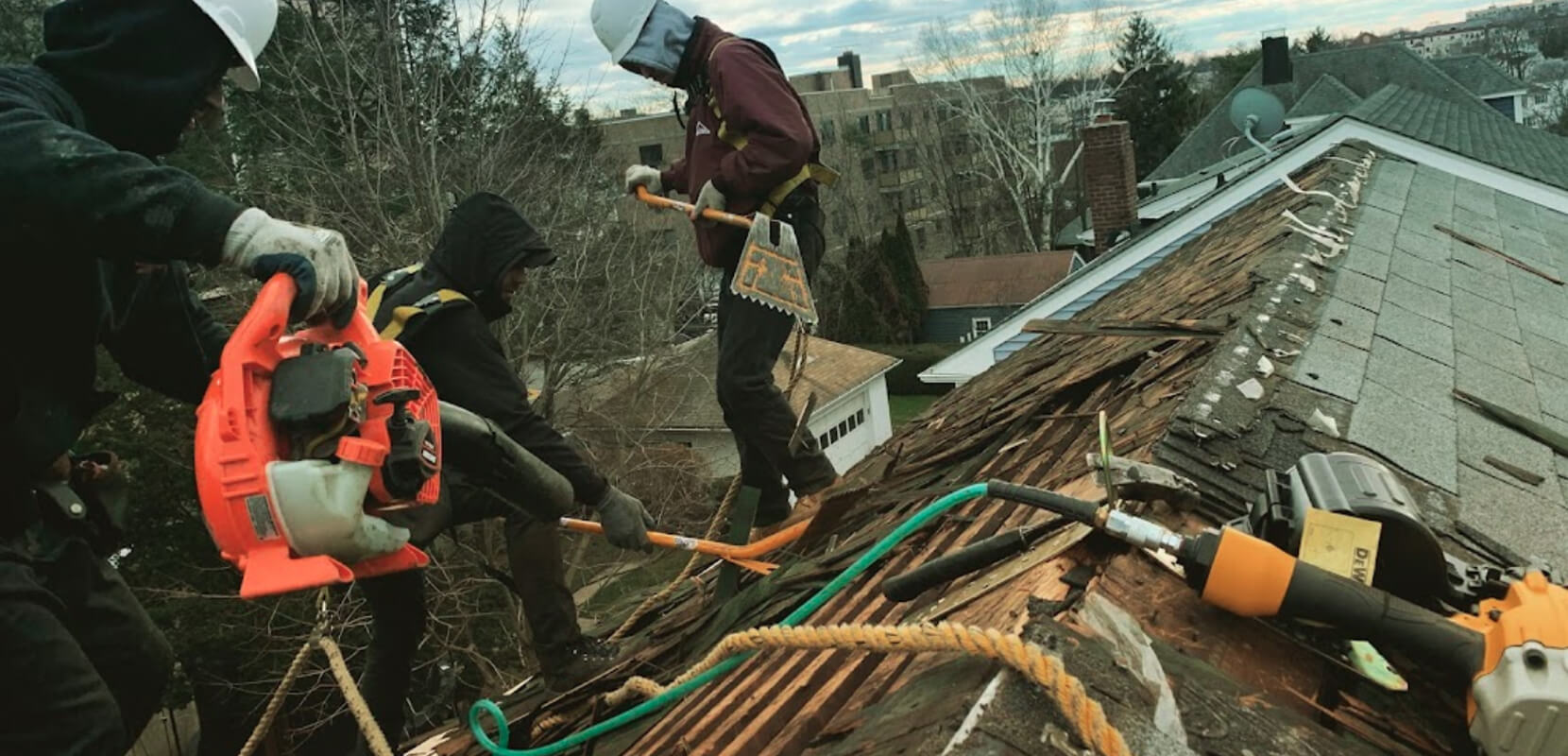
A roof replacement is a major home improvement project, and for many homeowners, the biggest worry isn’t just the cost—it’s the disruption. The banging of hammers, the crew in the driveway, and the fear of your home being exposed to the elements can make the process feel daunting. Naturally, the first question on everyone’s mind is: How long is this actually going to take? The short answer is that for an average single-family home with asphalt shingles, the actual labor typically takes one to three days. However, the full timeline—from your first phone call to the final cleanup—is a longer journey involving inspections, material delivery, and scheduling. Understanding the timeline is crucial for planning your life around the project. Whether you are dealing with a sudden leak or planning a long-overdue upgrade, knowing what to expect can reduce stress and help you prepare. In this guide, we will break down the roof replacement schedule by material, explore the hidden factors that can extend the job, and walk you through exactly what happens during those crucial days of construction. Average Roof Replacement Timelines by Material While the size of your home matters, the material you choose is the single biggest factor in how long the installation crew will be on your property. Different materials have different installation complexities, curing times, and weight requirements. Asphalt Shingles: 1 to 3 Days Asphalt shingles are the most popular roofing material in North America for a reason: they are durable, affordable, and relatively quick to install. The Process: Shingles are lightweight and easy to cut, allowing crews to work efficiently. A skilled team can often tear off an old roof and install a new asphalt system on a standard 2,000-square-foot home in a single long day, provided the weather holds up. The Timeline: Expect one day for smaller homes and up to three days for larger, more complex layouts. Metal Roofing: 3 to 7 Days Metal roofs offer incredible longevity, but they demand precision. Unlike shingles, which overlap easily, metal panels must be measured and cut to exact specifications. The Process: Installers must carefully align panels to prevent oil canning (a wavy appearance) and ensure watertight seams. Standing seam metal roofs, where fasteners are hidden, take longer than screw-down panels because of the detailed clip systems involved. The Timeline: Because of the custom cutting and careful fastening required, expect the crew to be on-site for nearly a week. Slate and Tile: 6 Days to Several Weeks Slate and clay tile are the heavyweights of roofing—literally. These materials are incredibly heavy and fragile during installation, requiring specialized handling. The Process: Before laying a single tile, the crew often needs to reinforce the roof deck to handle the extra weight. Cutting slate or tile requires specialized tools and slower, more deliberate work to avoid breakage. The Timeline: A standard slate install can take a week, but complex custom work on large estates can stretch into several weeks. Wood Shakes: 3 to 6 Days Wood shakes (typically cedar) offer a beautiful, natural aesthetic but require a labor-intensive installation process. The Process: Wood shakes are not uniform like asphalt shingles. Installers often have to hand-select shakes for fit and trim them on-site. They also require specific ventilation setups (battens) to allow the wood to breathe and prevent rot. The Timeline: The careful layering and manual adjustments typically result in a timeline of roughly one week. Key Factors That Influence Your Project Duration You might see your neighbor’s roof finished in a day and wonder why your estimate says three. Every home is unique, and several variables can speed up or slow down the construction clock. Total Roof Size and Pitch In roofing, size is measured in “squares” (one square equals 100 square feet). Naturally, a 30-square roof takes longer than a 15-square roof. However, pitch (steepness) is arguably more impactful. Steepness Slows Safety: If a roof is steep, crews cannot simply walk on it. They must set up toe boards, wear harnesses, and move materials slowly and carefully. A steep roof can easily double the labor time compared to a walkable, low-slope roof. Roof Complexity A simple gable roof (two slopes meeting at a ridge) is a roofer’s dream. But modern homes often feature: Valleys and Hips: Areas where roof planes intersect require careful flashing and waterproofing. Penetrations: Chimneys, skylights, plumbing vents, and dormers all require intricate flashing work to prevent leaks. Each obstacle slows the crew down as they cut shingles to fit around it. Existing Layers Building codes in many areas allow for two layers of shingles. If your home already has two layers, the tear-off process becomes significantly heavier and more labor-intensive. Removing a single layer is quick; removing multiple layers of old, brittle shingles adds hours—or even a full day—to the tear-off phase. Decking Repairs This is the biggest “wild card” in roofing. Once the old shingles are stripped away, the plywood decking is exposed. If the crew discovers water damage, rot, or delamination, they cannot install the new roof until the wood is replaced. This can pause the installation while new plywood is sourced and installed. The Role of Weather in Roofing Timelines Roofing is an outdoor sport, and Mother Nature creates the rules. Weather is the most common reason for delays, and reputable contractors will always prioritize the integrity of your home over speed. Rain and Snow Professional roofers will not tear off a roof if there is a significant chance of rain. Exposing your home’s interior to water damage is never worth the risk. If rain starts mid-job, the crew must stop and tarp the roof immediately. This stops progress and adds time for setup and breakdown. Temperature Extremes Cold: In freezing temperatures (below 40°F), asphalt shingles can become brittle and crack during installation. Furthermore, the adhesive strips that seal the shingles need heat to activate. While winter installation is possible, it often requires hand-sealing shingles, which takes longer. Heat: Extreme heat can make shingles soft and scuff-prone. Crews may have
Read More